
Top 3 Internet Technologies in America: Fiber, Cable & 5G Home
Fiber, hybrid fiber-coaxial, and 5G home internet compared on speed, latency, availability, and cost — so you can pick the right connection before you commit to a provider.
// ON THIS PAGE
America ranks among one of the most connected nations, with nearly 3000 internet service providers offering diverse connectivity types such as fiber, hybrid fiber-coaxial, and 5G home internet.
Each of these abundant options varies in availability based on location, prices, and performance. These differences make them ideal for diverse users and lifestyles, but also make them harder to pick.
To help you make the right choice, I'll evaluate the top three connectivity technologies against each of the key considerations you should analyze before you commit to a provider.
Let's start with the basics.
Internet Terms Explained
Throughout this article, you will notice certain terms being used frequently to evaluate internet performance. Here's what they are and what they mean.
- Download speed: Measured in Mbps (megabits per second) or Gbps (gigabits per second), this is the speed at which an internet connection transmits data from online platforms to your device. Ideal for applications such as streaming movies, music, or downloading large files.
- Upload speed: The speed at which your connection transmits data from your device to the web and is also measured in Mbps or Gbps. It's required for applications such as live streaming, video calling, or remote jobs where you have to frequently upload files.
- Latency: This is the time it takes for data to travel from your device to a destination and back. It is measured in ms (milliseconds), and the lower it is, the better.
Now that you're aware of the basics, let's move on to the three major players.
Top 3 Internet Technologies in the US To Choose From
Fiber Internet
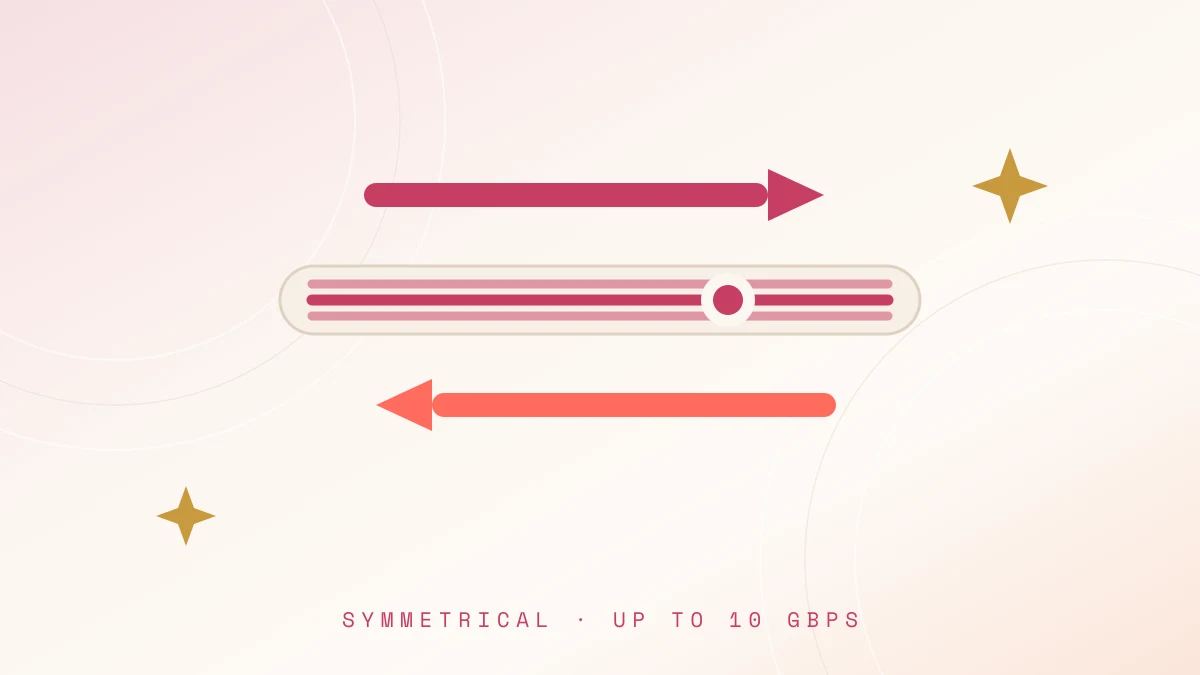
Fiber, also called fiber-optic internet, is the unmatched performance powerhouse with symmetrical download and upload speeds and extremely low latency. This advanced capability is supported by the transmission of data as light signals using glass or plastic cables. Here's a snapshot of the peak performance you can expect with a fiber connection:
- Download and Upload Speed: Up to 10 Gbps
- Latency: 1 to 5 ms
Fiber's superior performance makes it the ideal choice for all sorts of homes, especially those with fully automated lifestyles and extremely high-connectivity needs, such as 4K gamers or smart-home owners. The only downside to fiber is its limited availability (mostly urban areas) and higher upfront cost.
The expense of infrastructure development in low-population rural areas is not viable for providers. Additionally, the connection requires professional installation, which leads to extra charges for users.
Hybrid Fiber-Coaxial
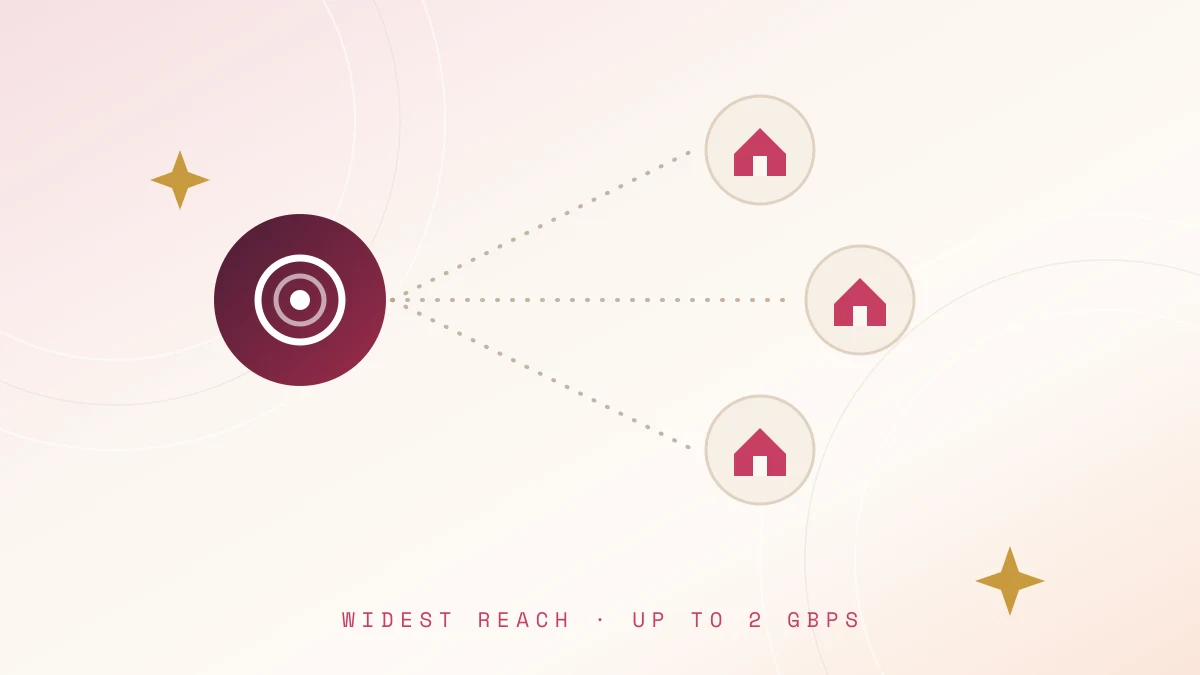
Hybrid fiber-coaxial (HFC) is the most widely available and used form of connectivity in America. This extensive usage is supported by a pre-existing TV-based infrastructure that extends to 85% of the country, explaining why major providers like Spectrum Internet cover 41 states.
This form of connectivity blends the existing infrastructure with fiber-optic lines, allowing significantly improved performance in terms of multi-gig download speeds and low latency. However, speeds are asymmetrical and have a long way to go to match fiber. Here's a view of the top performance you can enjoy:
- Download Speed: Up to 2 Gbps
- Upload Speed: Up to 100 Mbps
- Latency: 10 to 30 ms
This performance, paired with the widespread availability and a lower price tag compared to fiber, makes hybrid fiber-coaxial internet the perfect choice for small to medium homes with moderate online needs.
5G Home Internet

5G home internet, often called fixed wireless internet, is a newer form of connectivity compared to fiber and HFC; however, in a short time, it has established itself as a strong competitor to HFC. This form of connectivity uses a widespread cellular network and transmits internet data to a fixed location over the air as radio waves. The setup is entirely wireless and operates on a plug-and-play basis.
That being said, the simplicity of setting up comes with a few major considerations. Since the data is being transmitted over the air, it is highly prone to interference from physical barriers, third-party signals, and extreme weather. Your internet performance may also drop the further your location is from the cellular tower being used to provide signals to your home.
Below is the top performance you can expect with a 5G home internet connection:
- Download Speed: Up to 1 Gbps
- Upload Speed: Up to 50 Mbps
- Latency: 30 to 50 ms
The simple setup, decent performance, and extensive cellular network-backed availability make 5G home internet a good pick for urban and rural residents with basic to moderate online needs. Like HFC, it's also an affordable choice since it doesn't require a professional installation.
Time to Make Your Choice
Choosing the right internet service should be a tiny bit easier now that you have a clear idea of how the major players work and the value they can offer you. If you're looking for the best in the business and are able to bear the cost, by all means pick fiber.
If fiber isn't available in your area, there's a good chance HFC is and can provide you with a great balance between performance and cost. Finally, 5G home internet can deliver competitive performance to HFC and can be a viable choice if you're looking for an easy-to-set-up solution.