
How Female Creators Make Money: The Monetization Guide
How internet chicks turn views into cash in 2026 — brand deals, affiliate marketing, subscriptions, digital products, and real creator pay rates.
// ON THIS PAGE
Creating content online looks easy from the outside. You post a video, you get likes, and the money rolls in, right? Wrong. Building a digital income takes serious business strategy.
Today, internet chicks are turning their social media pages into multi-million dollar companies. They don't just rely on one platform to pay them. They build diverse revenue streams. If one app changes its algorithm or cuts its payouts, these creators don't lose their entire paycheck.
If you want to know how the biggest female creators actually get paid, you need to look behind the camera. This guide breaks down exactly how they turn views into cash. We cover brand deals, exclusive subscriptions, digital products, and the actual numbers behind the creator economy.
Brand Sponsorships and Influencer Marketing
Brand deals are the most common way creators make large amounts of money. Companies pay influencers directly to promote their products to a highly targeted audience.
What Are Brand Deals?
A brand deal is a contract between a company and a creator. The creator agrees to make a post, video, or story featuring the brand's product. In return, the brand pays a flat fee. The size of the fee depends entirely on the creator's engagement rate and niche.
How Much Do Brand Deals Pay?
Rates vary wildly. A creator with 10,000 followers in a highly profitable niche (like finance or tech) might charge more than a creator with 100,000 followers in a general lifestyle niche.
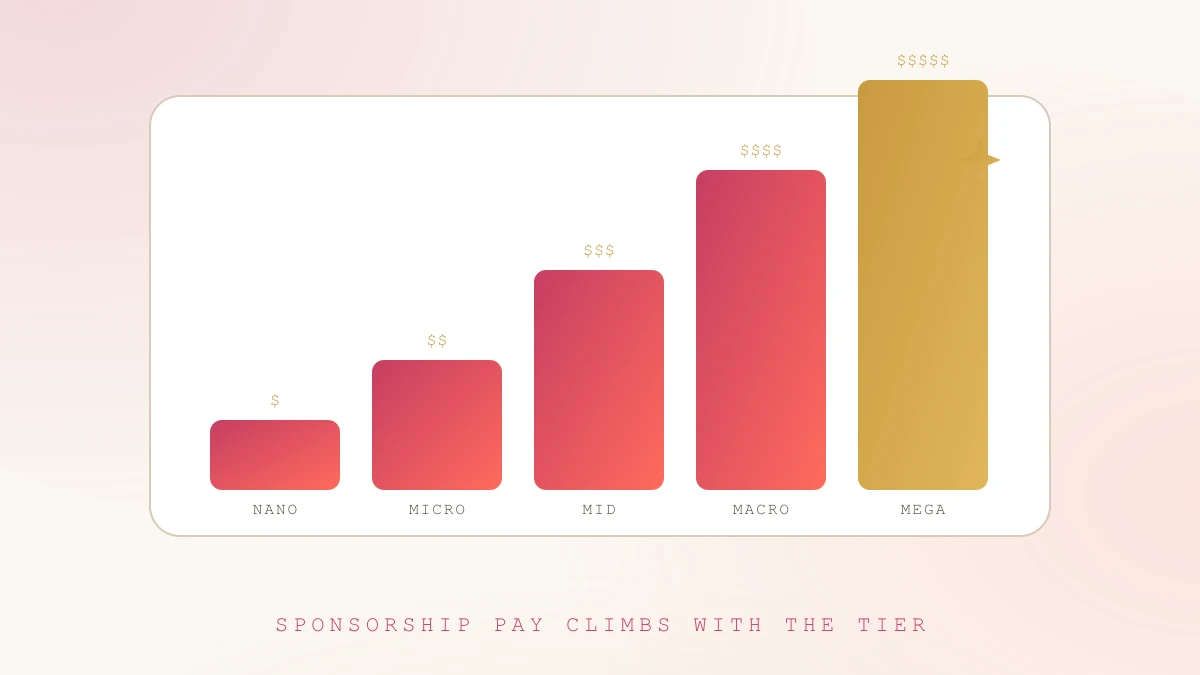
Here is a standard breakdown of what female creators charge per sponsored post in 2026:
| Creator Tier | Follower Count | Estimated Pay Per Post |
|---|---|---|
| Nano | 1,000 – 10,000 | $100 – $500 |
| Micro | 10,000 – 50,000 | $500 – $2,500 |
| Mid-Tier | 50,000 – 500,000 | $2,500 – $10,000 |
| Macro | 500,000 – 1 Million | $10,000 – $25,000 |
| Mega | 1 Million+ | $25,000 – $100,000+ |
Why Brands Prefer Female Creators
Brands love working with female creators in beauty, fashion, and lifestyle niches because their audiences trust them. When a popular creator recommends a skincare routine, her followers listen. That trust translates directly into sales. This is why companies happily pay thousands of dollars for a single 60-second TikTok video. For a deeper look at the platform, read our guide on internet chicks on TikTok.
Affiliate Marketing and Commission Links
Affiliate marketing lets creators earn a percentage of every sale they generate. It is the ultimate form of passive income for digital influencers.
How Affiliate Marketing Works
Creators sign up for programs like Amazon Associates or RewardStyle. They receive special tracking links for products they love. When a follower clicks that link and buys the item, the creator earns a small commission. It costs the follower absolutely nothing extra.
"I made $4,000 last month just from linking the exact lip gloss and hair clips I wear in my daily vlogs. My audience was already asking where to buy them. I just gave them the link." — A successful lifestyle creator
The Best Affiliate Platforms for Creators
Successful creators use specific platforms to manage their links.
- LTK (LikeToKnow.it): The gold standard for fashion and beauty. It allows followers to shop an entire outfit from a single photo.
- Amazon Storefronts: Creators build custom pages filled with their favorite Amazon products.
- ShopStyle Collective: Similar to LTK, highly popular for home decor and clothing.
- Direct Brand Programs: Many makeup and tech brands offer their own direct affiliate codes (like "Use code SARAH20 for 20% off").
Affiliate marketing requires high traffic. The commission on a $20 lipstick might only be $1. But if 5,000 people buy it, the creator makes a massive profit.
Exclusive Subscription Platforms
Relying on ad revenue is dangerous. Smart creators build private communities where their most loyal fans pay a monthly fee for exclusive access.
The Rise of Paid Communities
Ad rates on YouTube and TikTok constantly fluctuate. To fix this, creators launch subscription models. Fans pay anywhere from $5 to $50 a month. In exchange, they get behind-the-scenes content, direct messaging access, or specialized tutorials.
This model completely changed how internet chicks build their businesses. It gives them a predictable, reliable monthly income that no algorithm can take away.
Top Subscription Platforms in 2026
Different platforms serve different types of creators.
| Platform | Best For | Typical Monthly Fee |
|---|---|---|
| Patreon | Artists, podcasters, deep-dive educators | $5 – $25 |
| Fanfix | Gen Z lifestyle creators, clean exclusive content | $10 – $20 |
| Substack | Writers, journalists, niche advice columns | $5 – $15 |
| Discord (Paid) | Gamers, crypto experts, tight-knit communities | $10 – $50 |
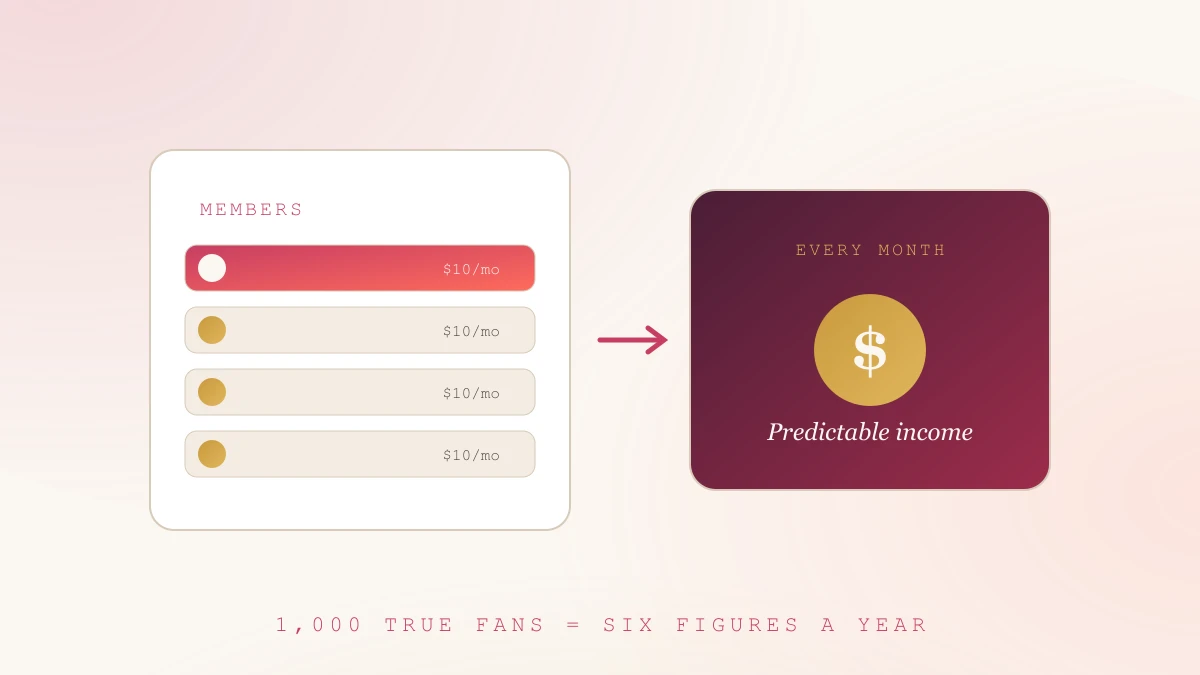
Subscription models reward deep connection. A creator doesn't need a million casual followers to succeed here. They just need 1,000 dedicated fans willing to pay $10 a month. That equals a six-figure yearly income.
Selling Digital Products and Courses
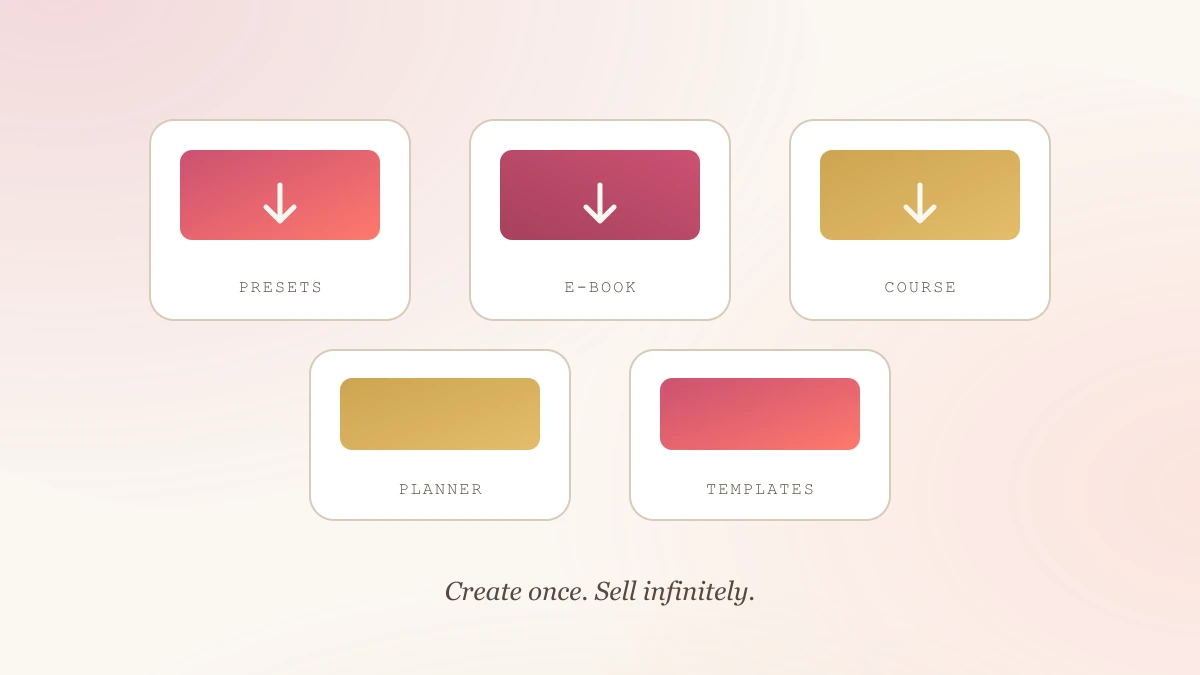
Selling digital products is incredibly profitable. You create the product once, and you can sell it an infinite number of times with zero shipping costs.
What Digital Products Do Creators Sell?
Creators package their knowledge and style into digital files. Because there is no physical inventory, the profit margins are nearly 100%.
- Lightroom Presets: Photo filters that make fans' pictures look exactly like the creator's Instagram feed.
- Fitness Programs: Detailed workout routines and meal plans sold as PDF downloads.
- E-Books: Guides on everything from starting a freelance business to organizing a home.
- Online Courses: Deep-dive video classes hosted on platforms like Teachable or Kajabi.
- Digital Planners: Custom templates designed to be used on iPads and tablets.
Why Digital Products Win
Physical merchandise requires manufacturing, shipping, and customer service for returns. Digital products require a simple download link. When a viral video sends 10,000 people to a creator's website, an eBook will never sell out of stock.
Launching Physical Product Lines
The ultimate goal for top-tier creators is to launch their own physical brand. They stop promoting other companies and start building their own empire.
From Merch to Massive Brands
It usually starts with simple merchandise. A creator prints their catchphrase on hoodies and coffee mugs. But the most ambitious creators take it much further. They launch full-scale companies.
Think about Emma Chamberlain launching Chamberlain Coffee, or Addison Rae launching Item Beauty. These aren't just t-shirts. These are legitimate retail businesses that eventually end up on the shelves of Sephora or Target.
The White Label Strategy
How do young creators suddenly manufacture complex skincare lines? They use "white labeling." They partner with established cosmetic labs that already have a great formula. The lab makes the product, and the creator puts their unique branding and packaging on it.
The creator brings the massive audience. The lab brings the manufacturing power. Together, they generate millions.
Platform Payouts (The Creator Funds)
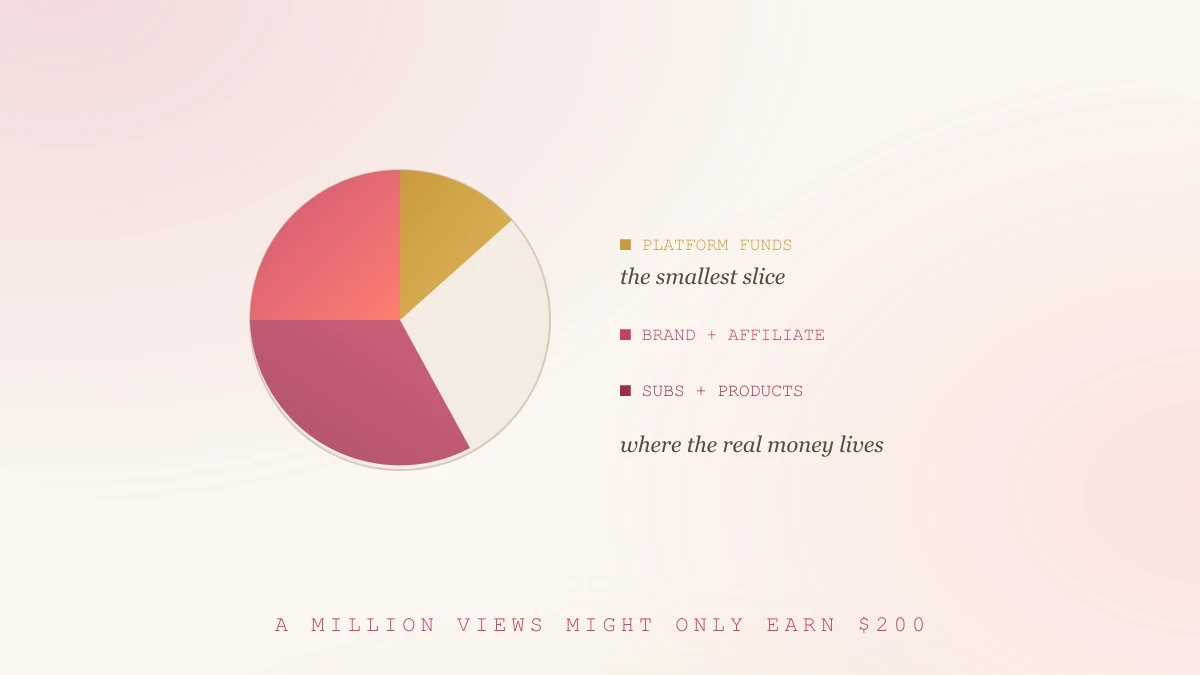
Social media platforms actually pay creators directly for the views they generate. However, this is usually the smallest piece of a creator's income pie.
How Platform Payouts Work
Platforms like YouTube, TikTok, and Snapchat want to keep users on their apps. To do this, they share a portion of their advertising revenue with the creators who make the best videos.
Why Creators Don't Rely on Funds
The problem is that the pay rate is often terribly low.
- YouTube AdSense: Still the king of payouts. Creators earn a split of the ads played before their videos. Long-form videos can generate massive, stable income.
- TikTok Creator Rewards: TikTok shifted away from a static "fund" to a program that rewards longer videos. However, the RPM (revenue per thousand views) is still notoriously low. A video with a million views might only earn $200.
- Snapchat Spotlight: Snapchat occasionally offers massive cash bonuses for viral clips, but it feels more like a lottery than a stable business plan.
Smart creators view platform payouts as a nice bonus. They use their viral videos to push viewers toward their affiliate links or subscription pages, where the real money lives.
The Secret to Long-Term Success
The most successful digital creators all share one critical strategy: they own their audience.
If TikTok gets banned, or Instagram changes its algorithm, a creator who only relies on that app will lose everything overnight. That is why the smartest women in the industry aggressively build email lists and text message clubs. It's the same reason so many are moving toward creator discovery platforms over the algorithmic feed.
When you own an email list, no tech billionaire can take your audience away. You can send your fans a link to your new product whenever you want. You control the distribution. Protecting that audience also means protecting yourself — our guide on staying safe as an internet chick covers the privacy side.
The title of "influencer" is outdated. These internet chicks are digital entrepreneurs. They run media empires from their living rooms, and they understand consumer psychology better than most traditional marketing agencies.
Frequently Asked Questions
How do creators get their first brand deal?
Most creators don't wait for brands to come to them. They build a media kit (a digital resume showing their audience demographics) and pitch themselves directly to PR agencies and small businesses through email.
Do you need a million followers to make money?
No. A "micro-influencer" with 10,000 highly engaged, loyal followers can easily make a full-time income through affiliate links and targeted sponsorships. Engagement matters more than raw numbers.
What is the most profitable social media platform?
For direct ad revenue, YouTube is still the most profitable platform. The long-form video format allows for multiple ad breaks, resulting in much higher payouts than short-form apps like TikTok or Instagram Reels.
How much do creators charge for a sponsored TikTok?
Rates vary, but a creator with 100,000 followers typically charges between $1,500 and $3,500 for a single sponsored TikTok video. Top-tier creators can charge upwards of $50,000 per post.
What is a digital product?
A digital product is an intangible asset that can be sold repeatedly without physical inventory. Examples include eBooks, Lightroom presets, digital planners, and video courses.
Final Thoughts
Making money as a creator is not an accident. It requires treating a social media page like a startup company. You have to understand analytics, negotiate contracts, build sales funnels, and constantly adapt to new technology.
The women dominating the creator economy today are brilliant marketers. They figured out how to monetize their daily lives, turning a ring light and a smartphone into a multi-million dollar business. They don't just follow trends. They build the platforms that create them. Keep learning with the rest of our creator economy guides, or start from the top with the complete Internet Chicks guide.