
Why Cotton Bras Are a Go-To for Sensitive Skin
Why cotton is a common pick for sensitive skin — breathability, reduced friction, and how cotton blends compare to synthetics on stretch, drying, and everyday comfort.

// ON THIS PAGE
For sensitive skin, bra material can be just as important as size and support. Bras sit against the body for hours at a time, often in areas where heat, sweat, and friction can contribute to irritation.
A soft cotton bra can be an appealing everyday choice because cotton is breathable, familiar, and generally comfortable against the skin.
Breathability and Reduced Irritation Benefits
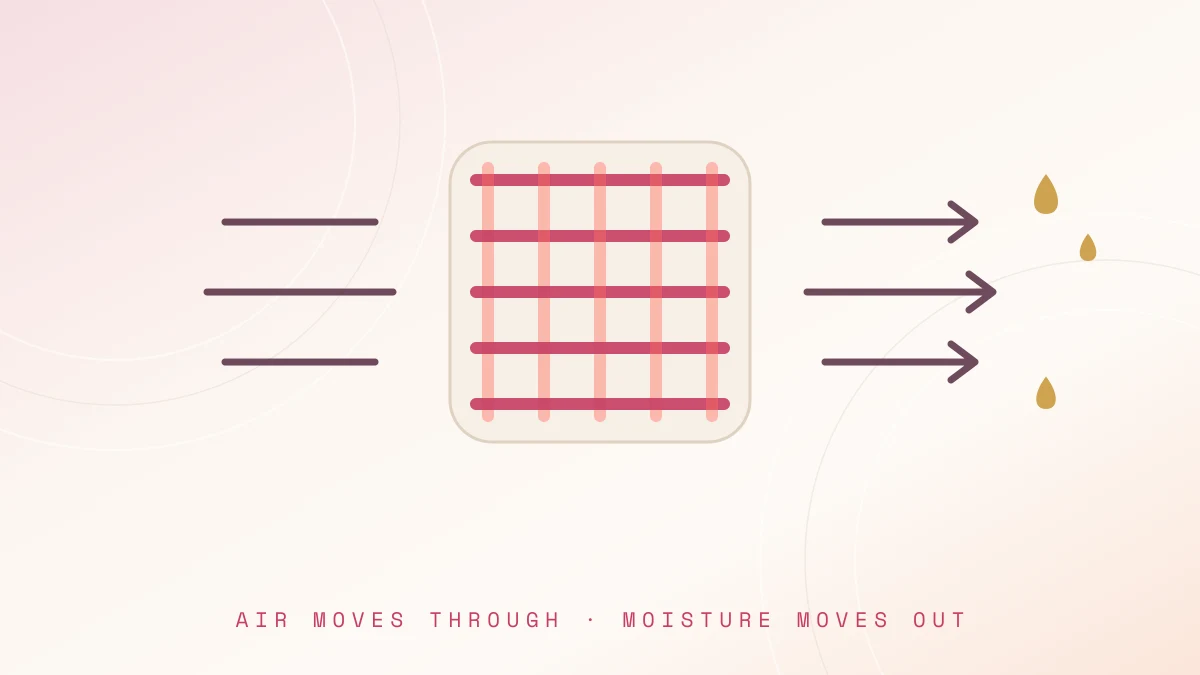
Cotton fibers allow air to move through the fabric and can absorb moisture from the skin. This can make cotton especially comfortable in warm environments or during long days when heat builds beneath the breasts and around the band.
Reducing trapped moisture may also decrease the uncomfortable combination of heat and friction that can make sensitive skin feel irritated.
Softness is another advantage. Bras with rough lace, stiff embellishments, or prominent seams may cause friction for people who are particularly sensitive. Cotton-forward designs can provide a simpler surface against the body.
Construction still matters, however. A cotton bra that's too small can dig into the skin regardless of how soft the material feels. Choosing the right band and cup size remains essential.
For people who prefer more containment, full coverage bras can provide additional security. Look for designs that combine sufficient coverage with smooth edges and comfortable interior materials.
Cotton vs. Synthetic Blends for Skin Sensitivity

Cotton isn't automatically better in every situation. Synthetic fibers can provide features that pure cotton struggles to deliver, including enhanced stretch, shape retention, and moisture-wicking performance.
A cotton blend can therefore offer a useful compromise. Cotton contributes softness and breathability, while elastane or similar fibers help the bra stretch and recover throughout the day.
Some synthetic fabrics also dry faster than cotton, which can be helpful in hot weather. The key is how the complete material feels against your individual skin rather than whether the label says "natural" or "synthetic."
People with known allergies or dermatologic conditions may also react to dyes, detergents, finishes, or elastic rather than the primary fabric itself. Persistent rashes or significant irritation should be evaluated by a healthcare professional.
Wireless designs may appeal to sensitive wearers who dislike the pressure of rigid underwire. Those comparing the best wireless bras for saggy breasts should still look for sufficient band support and cup structure, especially when greater lift is desired.
Washing practices can make a difference as well. Gentle detergent, adequate rinsing, and following garment care instructions may help reduce residue and preserve fabric softness.
Final Thoughts
Cotton bras are popular for sensitive skin because they can provide softness and breathability during extended wear. Blends may add useful stretch and shape retention without sacrificing comfort. Ultimately, material is only part of the equation: proper sizing, smooth seams, comfortable elastic, and appropriate support all contribute to a bra that feels good against sensitive skin.