
Internet Chicks Meaning: What the Term Actually Means and Where It Came From
Internet chicks means women who built an audience online and turned it into income or influence. The documented history of the word, who the label covers, and the four things it is not.
// ON THIS PAGE
Search the phrase and you'll get two kinds of results. Some pages treat it as a platform. Others treat it as a category of adult content. Neither is right. The term describes people, not a website. The people it describes run real businesses.
This page covers one thing only: what the words mean and where they came from.
What "Internet Chicks" Means
Internet chicks is informal shorthand for women who built an audience online and turned that audience into income, influence or both.
That's the whole definition. It isn't a job title. No platform issues it. No organization certifies it. It's a casual label the internet applied to a group that already existed.
The phrase has two halves doing two jobs:
| Word | What it contributes |
|---|---|
| Internet | Where the audience lives. The reach is online first, not borrowed from TV, print or a record label |
| Chicks | Informal slang for young women. Casual by design, which is exactly why some people like it and others don't |
Put together, the term points at a specific kind of career. These women own the audience relationship. They didn't inherit it from a broadcaster and they don't need one to keep it.
Where the Word "Chick" Came From
The second half of the phrase has a documented history. The first half doesn't. That distinction matters and most pages on this topic skip it.
From Farmyard to Slang
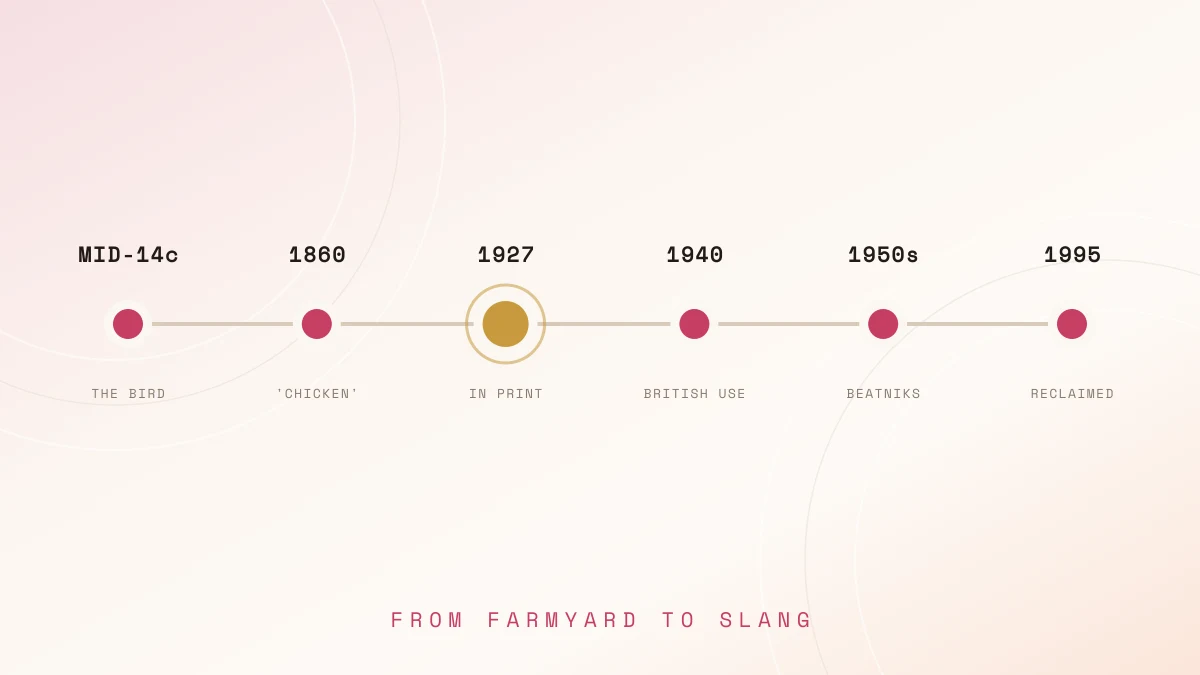
"Chick" started literal. It meant the young of the domestic hen in the mid-14th century, probably shortened from "chicken." By that same century English speakers were using it for human children too, as a term of endearment for a person of tender years.
The modern slang sense is much newer. According to Etymonline, "chick" meaning "young woman" is recorded by 1927, in Sinclair Lewis's novel Elmer Gantry, and is thought to come from African-American vernacular. British usage followed around 1940. Beatniks pushed it into wide circulation in the late 1950s.
One detail is easy to miss. "Chicken" had already carried that meaning since about 1860, which means the shorter form arrived decades after the longer one.
The 1990s Reclamation
By the mid-1990s the word had been argued over for a generation. Then it came back. American newspapers covered the shift directly in July 1995, with the Seattle Times running "After Several Years Of Casual Use, The Word 'Chick' Is, Well, Chic" and the Baltimore Sun publishing "Long-reviled slang pops out of its shell".
That decade also gave the publishing industry "chick lit" as a genre label. The pattern is consistent. "Chick" gets attached to a category of women's work, the label sticks and the women it describes end up deciding whether to use it.
How "Internet" Changed It
Adding "internet" shifted the emphasis from appearance to output. "Chick" on its own says nothing about what someone does. "Internet chick" says the audience is the asset.
Why the Term Is Hard to Trace
Here's the part other pages invent. There's no documented first use of "internet chicks," no dictionary entry and no origin story backed by a primary source.
Compare it to "e-girl." That term has press coverage, a traceable aesthetic and a datable rise. "Internet chicks" doesn't. The phrase appears mostly in blog content and search results rather than in dictionaries, journalism or academic work.
So any page that gives you a confident coinage date is guessing. The honest answer is that it's a descriptive compound — two common words stuck together because the combination was obvious — and it spread through search and casual usage rather than through a single moment anyone recorded.
Who the Term Actually Describes
The label covers a wide range of work. These are the groups it gets applied to most:
| Creator type | What the work looks like | How the audience finds them |
|---|---|---|
| Lifestyle creator | Daily life, routines, travel, home | Short video and photo feeds |
| Beauty and fashion creator | Tutorials, hauls, styling, product reviews | Search plus social discovery |
| Gamer and streamer | Live gameplay, commentary, community chat | Live platforms and clips |
| Educator | Skills, finance, study help, language | Long-form video and carousels |
| Fitness creator | Programs, form breakdowns, progress content | Short video and newsletters |
| Digital entrepreneur | Courses, templates, memberships, agencies | Email lists and owned channels |
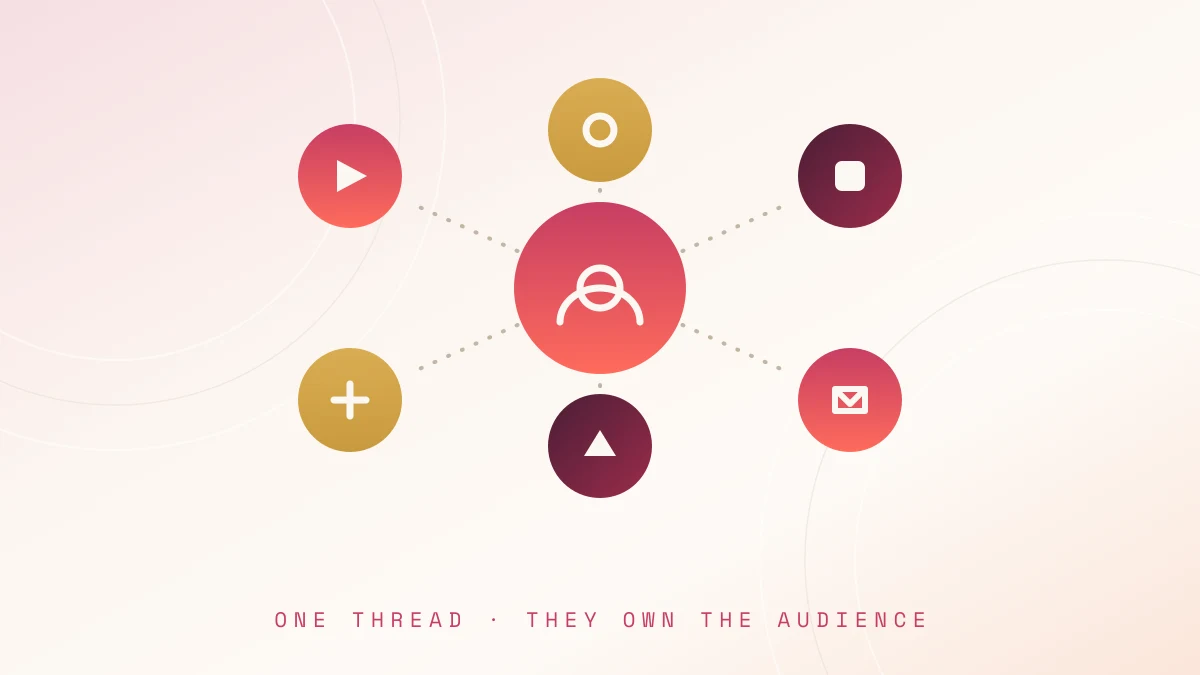
The common thread isn't the topic. It's ownership of the audience.
One number gives the label its scale. Women made up 72% of influencers in 2024, up from 70% the year before, according to Collabstr data reported by Fast Company. When a field is roughly three-quarters women, a gendered shorthand for it becomes almost inevitable.
What "Internet Chicks" Is Not
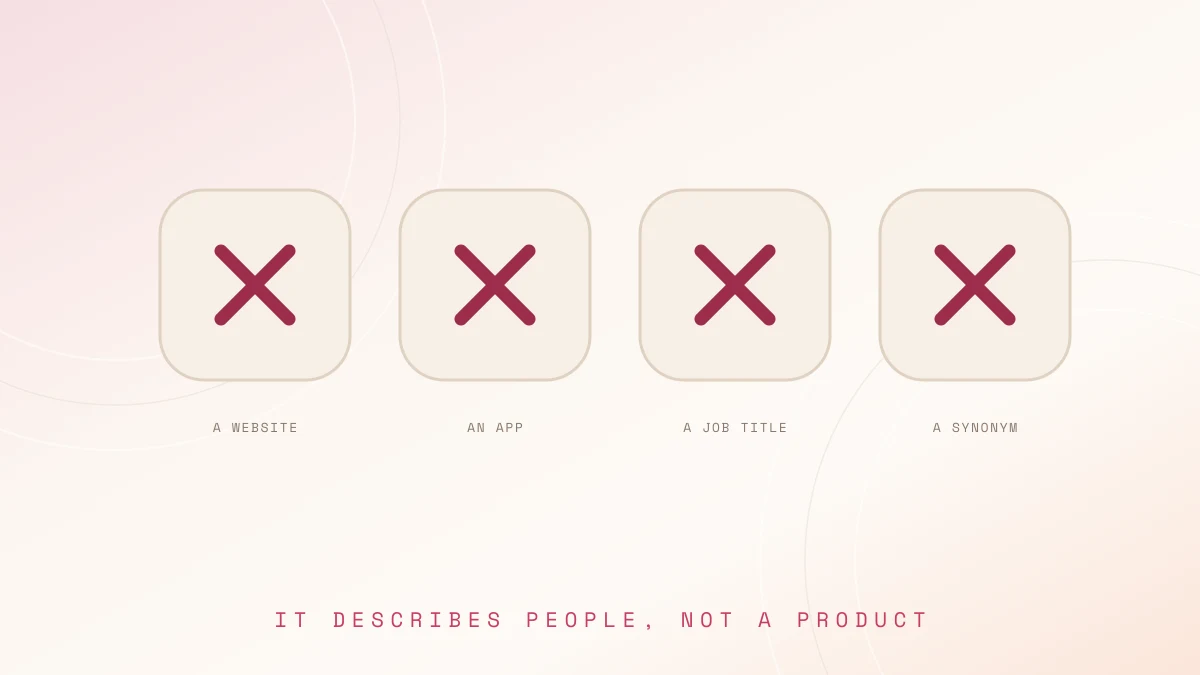
Four misunderstandings account for most of the confusion.
It's not a website. There's no internetchicks.com service you sign up for, no login and no creator directory with an application process. Pages that describe membership tiers or mobile apps are describing something that doesn't exist.
It's not an adult content category. A share of search traffic for the phrase is looking for explicit material. That intent is attached to the words by searchers, not by the term's meaning. The creators the label describes work in beauty, gaming, fitness, finance and education.
It's not a job title. Nobody puts it on a tax form. It's how people get talked about, not how they introduce themselves.
It's not interchangeable with "influencer." The overlap is real but incomplete, which the next section covers.
Internet Chicks vs Other Creator Labels
Five labels get used for overlapping groups. They aren't synonyms.
| Label | Core requirement | Gets paid for |
|---|---|---|
| Internet chick | Female creator with an online audience | Varies — it's a description, not a business model |
| Influencer | Audience large enough to shift behavior | Reach and recommendation |
| Content creator | Consistent published output | The content itself |
| UGC creator | Ability to produce brand-ready footage | Deliverables, with no follower minimum |
| Streamer | Live broadcasting and community management | Subscriptions, tips and ad revenue |
A woman can hold four of these at once. The labels describe different facets of the same career.
Is the Term a Compliment or an Insult?
It depends entirely on who's using it.
Some creators use it themselves. It's short, it's playful and it signals that the work doesn't take itself too seriously. Reclaiming casual slang is a long tradition and the 1990s coverage above shows this exact word going through it once already.
Others find it diminishing. "Chick" reduces a professional to her gender and her youth. Calling a woman who runs a seven-figure education business an internet chick says nothing about the business.
There's a harder reason the label gets scrutinized. Women online absorb a different volume of hostility than men do. Pew Research Center found that 33% of women under 35 had experienced online sexual harassment, against 11% of men in the same age group, in a survey of 10,093 U.S. adults conducted in September 2020 and published in January 2021. When that's the backdrop, a casual gendered label stops feeling casual to some of the people it names.
Neither reaction is wrong. Use the term for the category, use names for individuals and follow a creator's own preference when you know it.
How the Term Gets Used Today
Three patterns cover almost all real usage.
As a category. "The internet chicks space" means the broader world of female online creators. This is the most common use and the least loaded.
As a search phrase. People type it looking for explanations, creator lists or specific platforms. Intent is mixed, which is why the phrase pulls such varied results.
As self-description. Some creators use it in bios and captions, usually with a wink.
What's declining is its use as a dismissal. As the economics got serious, calling someone an internet chick as a put-down stopped landing.
Frequently Asked Questions
What does "internet chicks" mean in simple terms?
It means women who built an audience online and turned it into income or influence. It describes people, not a platform.
Where did the term "internet chicks" come from?
There's no documented first use. "Chick" as slang for a young woman is recorded by 1927 but the compound "internet chicks" spread through casual usage and search rather than a traceable coinage.
Is "internet chicks" an offensive term?
Some creators embrace it and others find it reduces professionals to their gender. Context and the speaker's intent decide it. Use individual names when you're referring to a specific person.
Is internetchicks a website or an app?
No. It's a slang term, not a service. There's no official site, login, membership tier or app behind the phrase.
What's the difference between an internet chick and an influencer?
"Influencer" describes a business model built on reach. "Internet chick" is an informal description of who someone is. A creator can be both, one or neither.
Are internet chicks the same as adult content creators?
No. Some search traffic for the phrase looks for explicit material but the term itself describes female creators across beauty, gaming, fitness, education and business.
The Short Version
Internet chicks means women who built something online that belongs to them. The "chick" half has a documented history reaching back to 1927. The "internet" half is what makes the phrase modern, because it points at an audience nobody handed over.
The label is informal and it's contested. The careers it describes are neither.