
The Future of Portable Electronic Devices: Trends and Innovations
Battery life, smarter chips, tougher materials and better connectivity — the trends and innovations shaping the future of portable electronic devices.
// ON THIS PAGE
Have you ever left home with your phone, earbuds, power bank, and other small devices, only to find that one of them runs out of battery when you need it most? Portable electronics make everyday life easier, but they also come with familiar problems. Limited battery life, fragile components, complicated controls, and frequent charging can make even useful technology inconvenient.
As people spend more time working, travelling, and managing daily tasks on the go, expectations for portable devices continue to change. Consumers want products that are easy to carry, simple to operate, and reliable throughout the day. That is especially true for creators — the internet chicks who film, edit, and post straight from their phones depend on portable gear that keeps up with them all day. Meeting these expectations requires improvements in battery technology, materials, connectivity, and product design.
The future of portable electronics will not depend on making every device smaller or adding more features. It will depend on solving practical problems and making technology work better in everyday situations.
The Problem: What Limits Today's Portable Electronic Devices?
1. Battery Life and Charging Challenges
Battery performance remains one of the biggest concerns for portable electronics. Smartphones, wireless earbuds, smartwatches, and other compact devices need enough power to support their main functions without requiring constant charging.
However, increasing battery capacity can add weight and take up valuable internal space. Manufacturers must balance battery size with portability, heat management, and production costs.
Future developments may include improved battery materials, more efficient electronic components, and better power management systems. These improvements could help devices operate longer without increasing their size significantly.
Wireless charging is also becoming more practical for certain products. As charging standards and hardware improve, users may find it easier to power compatible devices without carrying several different cables.
Still, progress will take time. Battery performance depends on factors such as device design, software, temperature, and usage habits. A new battery technology must also prove that it is safe, durable, and suitable for large-scale manufacturing.
2. Why Consumers Need More Reliable and Convenient Technology
Portability is useful only when a device performs consistently. A lightweight product that breaks easily or struggles to maintain a connection may not be practical for everyday use.
Compact electronics face several engineering challenges. Their components are often positioned close together, leaving limited room for cooling, protective structures, and repairs. Manufacturers must also consider how products will handle regular movement, accidental drops, and repeated charging cycles.
Consumers increasingly expect devices to fit naturally into their routines. They want clear controls, dependable connections, and useful features without unnecessary complexity.
To address these needs, product designers are focusing on practical improvements such as:
- Stronger materials that can withstand normal daily use.
- More efficient components that reduce power consumption.
- Simpler interfaces that make controls easier to understand.
- Better connectivity between compatible devices.
- Improved quality testing before products reach consumers.
These changes may seem small individually, but together they can make portable electronics more convenient and dependable.
The Solution: Trends Shaping the Future of Portable Technology
3. Smarter Features, Compact Designs, and Better Materials
One important trend is the development of electronics that can perform more tasks without becoming difficult to carry. Advances in chip design allow manufacturers to add processing capabilities while managing power consumption and physical space.
Artificial intelligence may also become more common in portable products. Depending on the device, AI-powered features could help organize information, improve voice recognition, manage battery use, or personalize settings. However, these features need to provide clear benefits rather than simply adding complexity.
Materials research is another area worth watching. Lightweight metals, engineered plastics, and improved protective coatings can help manufacturers balance durability with portability. Flexible displays and smaller sensors may also create new options for wearable devices and compact electronics.
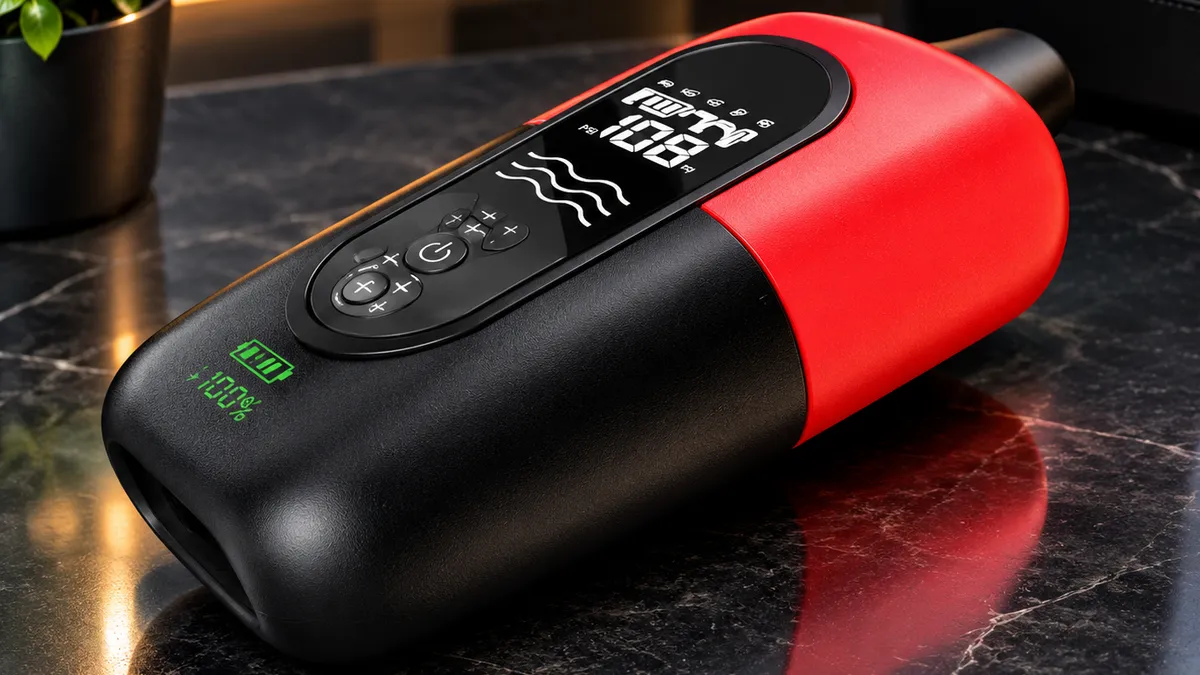
Product categories such as the North Stellar Dark Moon Edition and Fifty Bar V2 provide a context for discussing how compact product design and consumer expectations intersect. For any portable electronic product, important considerations include component quality, clear product information, and appropriate safety testing.
Product names alone do not establish technical performance, so consumers should evaluate specific specifications rather than assuming that every new release represents a major technological improvement.
4. Connectivity, Personalization, and the Role of North Vape Flavors
Portable electronics are increasingly designed to work as part of a connected environment. A smartwatch can communicate with a smartphone, wireless earbuds can switch between compatible devices, and smart home products can be managed through mobile applications.
Future improvements may make these connections more reliable and easier to manage. Better wireless standards, simpler setup processes, and improved privacy controls could reduce the effort required to use several devices together.
Personalization will also remain important. Consumers often prefer products that reflect their practical needs, whether that means adjusting display settings, choosing a comfortable interface, or selecting a product design that suits their preferences.
The keyword North Vape flavors illustrates a different aspect of consumer choice: product variety and personal preference. Flavor selection is not itself an electronic innovation, but it shows why businesses need to understand what customers value. In any product category, clear descriptions and accurate specifications help people make informed decisions.
For electronic devices, personalization should never come at the expense of reliability or safety. Features need to be tested properly, and manufacturers should explain what a device can and cannot do.
As portable technology develops, the most useful innovations will likely be those that combine convenience with straightforward operation. Consumers do not necessarily need more settings. They need features that solve real problems.
Conclusion
The future of portable electronic devices will be shaped by improvements in battery technology, energy efficiency, materials, connectivity, and user interface design. These developments have the potential to make everyday electronics more convenient without adding unnecessary weight or complexity.
However, innovation should not be measured by the number of features a product offers. Battery reliability, durability, ease of use, and responsible manufacturing remain just as important as new technology.
Whether consumers are comparing smartphones, wearable devices, or compact products such as the North Stellar Dark Moon Edition and Fifty Bar V2, practical specifications matter more than marketing claims. Understanding those details helps people make better purchasing decisions.
Ultimately, the next stage of portable electronics should focus on technology that fits naturally into daily life. Devices that are reliable, easy to operate, and designed around genuine user needs are more likely to remain useful long after the excitement of a new release has passed.