
Is Internet Chicks Safe? What You Actually Need to Know
How Internet Chicks handles your data, what safety measures exist, and the habits that keep you protected while browsing — honest answers only.
// ON THIS PAGE
- Why People Ask, "Are Internet Chicks Safe?"
- How Internet Chicks Handles Your Data
- Is the Content on Internet Chicks Legit?
- Common Safety Concerns (And Honest Answers)
- What About Creator Safety?
- Red Flags to Watch For on Any Platform
- How to Stay Safe While Browsing
- So... Is Internet Chicks Actually Safe?
- Frequently Asked Questions
- Conclusion
You found the platform. Maybe a friend told you about it. Maybe you stumbled on it while looking for trending creators on a creator discovery platform. Now you have one question sitting in the back of your mind. Is Internet Chicks actually safe to use?
Fair question. You should always ask that before using any website. Too many people skip this step. They click around, share their info, and hope for the best. That's a bad idea in 2026. So let's dig into this properly.
We'll cover how the platform handles your data. We'll look at what safety measures exist. And we'll talk about what you can do to protect yourself while browsing. No scare tactics here, just honest answers.
Why People Ask, "Are Internet Chicks Safe?"
Trust doesn't come easy online anymore. Every week, some platform gets caught leaking data or selling information to advertisers. People are tired of it.
When you land on a site like internetchicks, your brain immediately asks a few things:
- Will this site steal my information?
- Are the creators on here real people?
- Could I get a virus just by clicking around?
- Is my browsing history going to end up somewhere weird?
These worries make total sense. The internet has burned people before. Phishing scams, fake websites, data breaches — the list goes on. You're smart to ask questions first.
But here's the good news. Not every platform is shady. Some actually take your user privacy seriously. Let's see where this one stands.
How Internet Chicks Handles Your Data
Data is currency online. Every platform collects some amount of it. The real question is how much they take and what they do with it.
What Information Gets Collected
Most content discovery platforms grab basic stuff during sign-up. Things like your email address and a username. Some ask for your age or location so they can show you relevant trending content. That's pretty standard across the board.
What matters more is what they don't collect. A trustworthy platform won't ask for your home address. It won't demand your phone number right away. And it definitely won't request payment details unless you're buying something specific.
How Your Data Gets Stored
Good platforms use encryption to lock down your information. Think of encryption like a safe with a really complicated lock. Even if someone broke into the building, they still couldn't open the safe without the right key.
Industry-standard encryption means your profile details, browsing habits, and personal preferences stay protected. Not bulletproof — nothing online truly is — but solid enough to keep casual hackers out.
Can You Delete Your Data?
This one matters a lot. Any platform worth your time should let you:
- Delete your account whenever you want
- Remove personal details from your profile
- Opt out of personalized recommendations
- Download your data so you know exactly what they have
If a platform makes it hard to leave, that's a red flag. Simple as that.
Is the Content on Internet Chicks Legit?
Safety isn't just about data. It's also about what you're actually looking at on the screen.
Real Creators, Not Bots
One big concern people have is fake profiles. Some sketchy platforms fill their pages with bot accounts and stolen photos. That wastes your time and puts you at risk of scams.
Internet Chicks focuses on real digital creators who build genuine audiences. These are women with actual followings on platforms like TikTok, Instagram, YouTube, and Twitch — the same creators profiled in our guide to internet chicks on TikTok. The profiles link back to verified social media accounts. You can check for yourself.
Content Attribution Matters
Here's something a lot of people overlook. Does the platform give credit to the original creators? Or does it just grab content without asking?
Ethical content curation means every post, video, or image traces back to the person who made it. Proper intellectual property practices protect both the creator and you. When a platform credits its sources, it shows they play by the rules.
If you ever see a site scraping content with zero credit, what do you do? Walk away. That's not a place you want to spend time on.
Common Safety Concerns (And Honest Answers)
Let's tackle the big worries one by one. No sugarcoating.
Will I Get a Virus?
Legit platforms don't host malware. The risk usually comes from clicking shady ads or pop-ups. If a site bombards you with aggressive pop-ups the second you land on it, leave immediately.
Clean platforms keep their ad experience minimal. A few banner ads? Normal. Twelve pop-ups asking you to download something? Run.
Quick tip: Keep your browser updated. Use an ad blocker. These two things alone block most threats before they reach you.
Can Someone Track My Browsing?
Every website uses cookies to some degree. Cookies track your behavior so the site can work properly. That's not evil by itself. The problem starts when sites share that data with dozens of third-party companies.
Look for a clear privacy policy on any platform you use. It should spell out exactly who sees your data. If the privacy policy reads like a mystery novel with no clear answers, that's suspicious.
Is My Identity Safe?
You control what you share. Don't put your real name, phone number, or location in a public profile unless you absolutely have to. Use a username that doesn't connect to your real identity. Keep your email separate from your main personal one.
These basic steps keep you safe on any platform, not just this one.
What About Creator Safety?
Safety goes both ways. Creators need protection too.
Women who build their careers online face real threats every day. Harassment, stalking, and doxxing — these aren't rare events. They happen constantly. A responsible platform takes steps to shield its creators from this stuff.
Profile Privacy Controls
Good platforms give creators control over their own information. They choose what shows up publicly. They decide whether fans can message them directly. They set the boundaries, not the platform.
Internet chicks keep profile privacy settings in the creator's hands. That matters more than most people realize. When creators feel safe, they produce better content. Everybody wins.
Reporting and Moderation
What happens when someone crosses the line? Every safe platform needs a clear reporting system. Users should be able to flag harassment, fake accounts, or stolen content quickly. And the platform should actually respond, not just collect reports and ignore them.
Fast moderation separates trustworthy platforms from careless ones. If bad behavior gets addressed quickly, the whole community stays healthier.
Red Flags to Watch For on Any Platform
Not every website plays fair. Here's how to spot trouble before it finds you.
| Red Flag | What It Means |
|---|---|
| No privacy policy visible | They might not protect your data at all |
| Aggressive pop-up ads | Could contain malware or phishing links |
| No content attribution | Likely stealing creator content illegally |
| Asks for payment info upfront | Could be a scam or unauthorized charge |
| No way to delete your account | They want to trap you and keep your data |
| Fake-looking profiles everywhere | Bot-driven site with no real value |
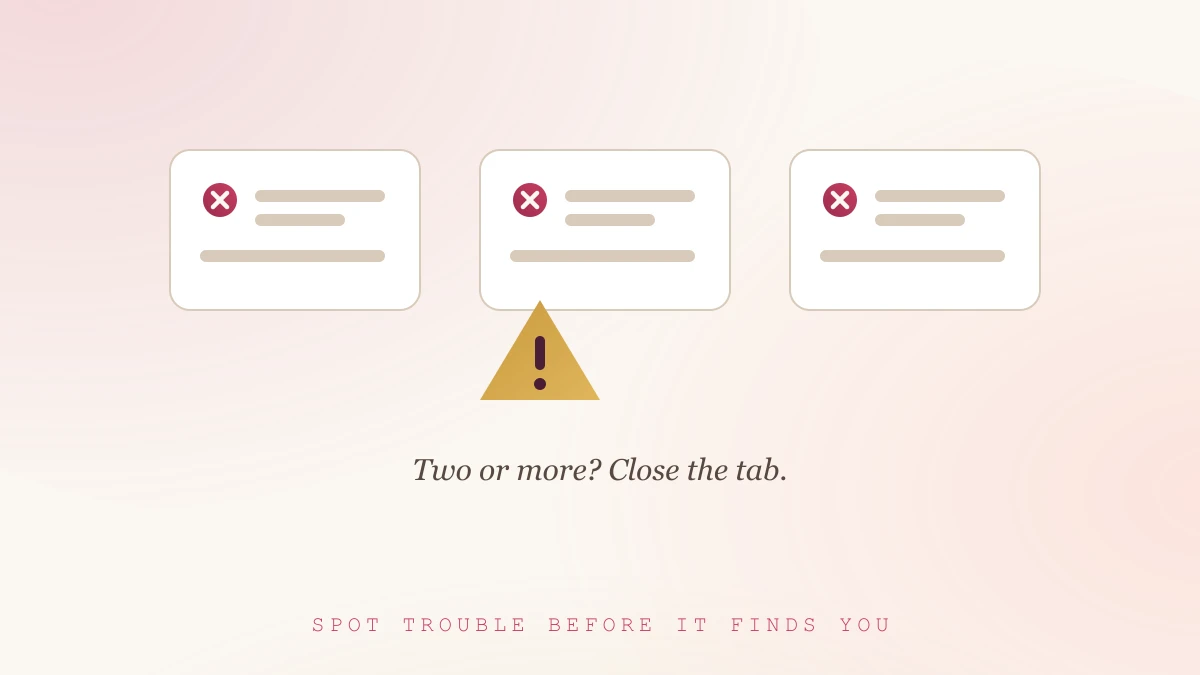
If you spot two or more of these on any site, close the tab. Your safety isn't worth the risk.
How to Stay Safe While Browsing
You don't need to be a tech genius to protect yourself. These simple habits go a long way.
- Use a strong, unique password. Don't reuse the same one across ten different sites. A password manager helps with this.
- Turn on two-factor authentication. It adds an extra lock on your account. Even if someone gets your password, they still can't get in.
- Keep your browser updated. Updates patch security holes that hackers love to exploit.
- Use an ad blocker. It kills most sketchy ads before they even load.
- Don't click suspicious links. If something looks too good to be true, it probably is.
- Browse with a VPN. A VPN hides your real location and encrypts your connection. It's like wearing an invisibility cloak online.
None of this takes more than a few minutes to set up. But it makes a massive difference in how safe you stay.
So... Is Internet Chicks Actually Safe?
Here's the straight answer. The platform follows standard security practices that you'd expect from any modern content discovery site. Encryption protects your data. Creators get proper credit for their work. Privacy controls exist for both users and creators — the same standards laid out in the privacy, safety, and legal realities section of our main guide.
Is it perfect? No platform on earth is. Data breaches can happen anywhere, even to the biggest companies in the world. But based on what's visible, Internet Chicks don't cut corners on the basics.
Your safety also depends on you. Use strong passwords. Don't share personal details publicly. Stay alert when clicking links. These habits protect you no matter which platform you're on.
Frequently Asked Questions
Does Internet Chicks sell my data to advertisers?
The platform's privacy policy should outline exactly who accesses your information. Look for clear language about third-party sharing. If it says they don't sell data, hold them to it.
Can I browse without creating an account?
Most content curation platforms let you explore trending content and creator profiles without signing up. You only need an account for personalized features like saving favorites or following specific creators.
Are the creators on the platform verified?
Profiles typically link to verified social media platforms like TikTok, Instagram, and YouTube. You can cross-check any creator's identity by visiting their linked accounts directly.
What should I do if I see stolen content?
Report it immediately. Ethical platforms take intellectual property seriously and will remove stolen material once flagged. If a platform ignores reports, that tells you everything about their values.
Is it safe for younger users?
Parental guidance is always recommended. The platform features digital creators from various niches, and content ranges widely. Setting up browser-level parental controls adds an extra layer of safety for younger audiences.
Conclusion
Trust takes time to build and seconds to break. You deserve to know exactly what happens with your information before you hand it over to any website. Ask questions. Read the fine print. And never assume a platform is safe just because it looks nice.
Internet Chicks checks the major boxes: encryption, content attribution, privacy controls, and creator safety measures. But your own habits matter just as much as any platform's policies. Stay sharp out there. The internet rewards people who pay attention. For the bigger picture, start with the complete internet chicks creator economy guide or browse all our creator guides.